
Whether you're running a bustling food truck in downtown Austin, managing an e-commerce store in Dallas, or operating a growing retail business in San Antonio, seamless online payment integration is crucial for your success. The right payment gateway can make the difference between a thriving Texas business and one that struggles with abandoned carts and frustrated customers.
With the rapid growth of digital commerce across Texas, business owners need to understand the ins and outs of payment processing to stay competitive. Here are the 10 essential things every Austin business owner should know when implementing secure payment solutions.
1. Choose the Right Payment Gateway Provider for Your Texas Business
Not all payment gateways are created equal, especially when it comes to serving Texas businesses. Your choice of provider will impact everything from transaction fees to customer experience. Popular options like Stripe, PayPal, and Square each offer unique advantages, but the best choice depends on your specific business model and customer base.
When evaluating providers, consider their ability to integrate with your existing systems, support for multiple payment methods, and scalability for future growth. Austin's thriving startup scene means many businesses need solutions that can handle rapid expansion, while established Dallas companies might prioritize stability and comprehensive reporting features.

Look for providers that offer transparent pricing structures and reliable customer support. Texas businesses often deal with high transaction volumes, especially during peak seasons like SXSW in Austin or State Fair time in Dallas, so you need a provider that can handle traffic spikes without compromising performance.
2. Assess Your Current Infrastructure and Software Compatibility
Before diving into payment integration, take a thorough inventory of your existing systems. Many Austin businesses discover that their current point-of-sale (POS) system or e-commerce platform already supports popular payment gateways through simple plugins or built-in integrations.
Modern platforms often allow for unified commerce approaches, where your online and offline payment processing work seamlessly together. This is particularly valuable for Texas businesses that operate both physical locations and online stores, which is increasingly common in markets like San Antonio's growing retail sector.
If your current systems don't support easy integration, you might need to work with your software vendor or hire local IT professionals familiar with merchant services implementation. The upfront investment in proper integration pays dividends in reduced maintenance headaches and improved customer experience.
3. Prioritize Security and PCI DSS Compliance
Security isn't optional when it comes to payment processing – it's a legal requirement. Your payment gateway must comply with the Payment Card Industry Data Security Standard (PCI DSS), which protects customer credit card information during transactions.
Look for gateways that offer robust encryption methods, SSL certificates, and tokenization features. Tokenization is particularly important because it stores tokens instead of actual card details, dramatically reducing your liability if a data breach occurs. This level of security is essential for building customer trust, especially in competitive Texas markets where consumers have many options.
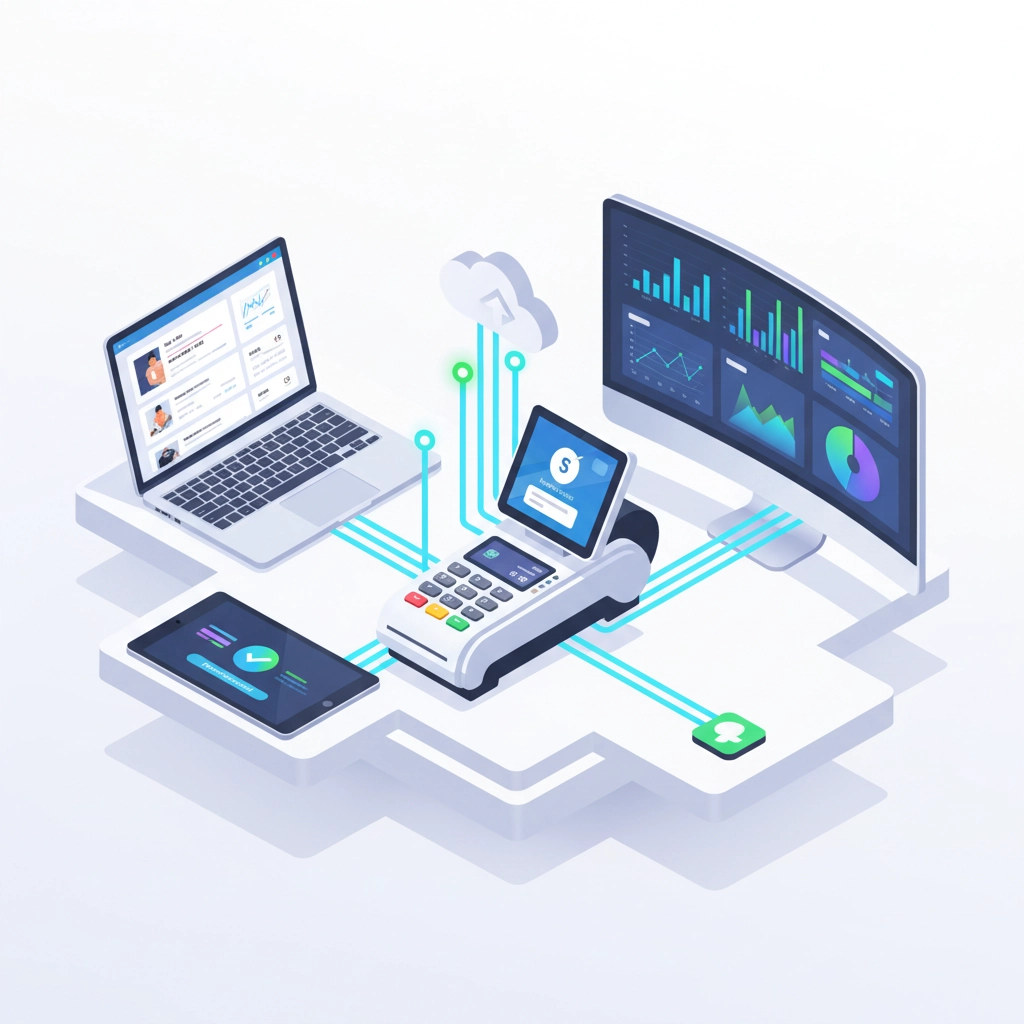
Additional security features like two-factor authentication and fraud detection tools help protect both your business and your customers. These features are especially valuable for Austin's tech-savvy consumer base, who expect high levels of digital security.
4. Understand the True Cost of Transaction Processing
Transaction fees can make or break your profit margins, so understanding the complete fee structure is crucial. While it might be tempting to choose the lowest-cost option, hidden fees for setup, maintenance, or specific transaction types can quickly add up.
Different providers offer various pricing models – some charge flat rates per transaction, while others use interchange-plus pricing that can be more cost-effective for high-volume businesses. Texas businesses, particularly those in retail-heavy markets like Dallas, often benefit from negotiating volume discounts.
Pay attention to settlement periods as well. Some providers offer three-day settlement, while others provide instant access to funds. For cash flow-sensitive businesses common in Austin's startup ecosystem, faster settlement can be worth paying slightly higher fees.
5. Support Multiple Payment Methods to Maximize Conversions
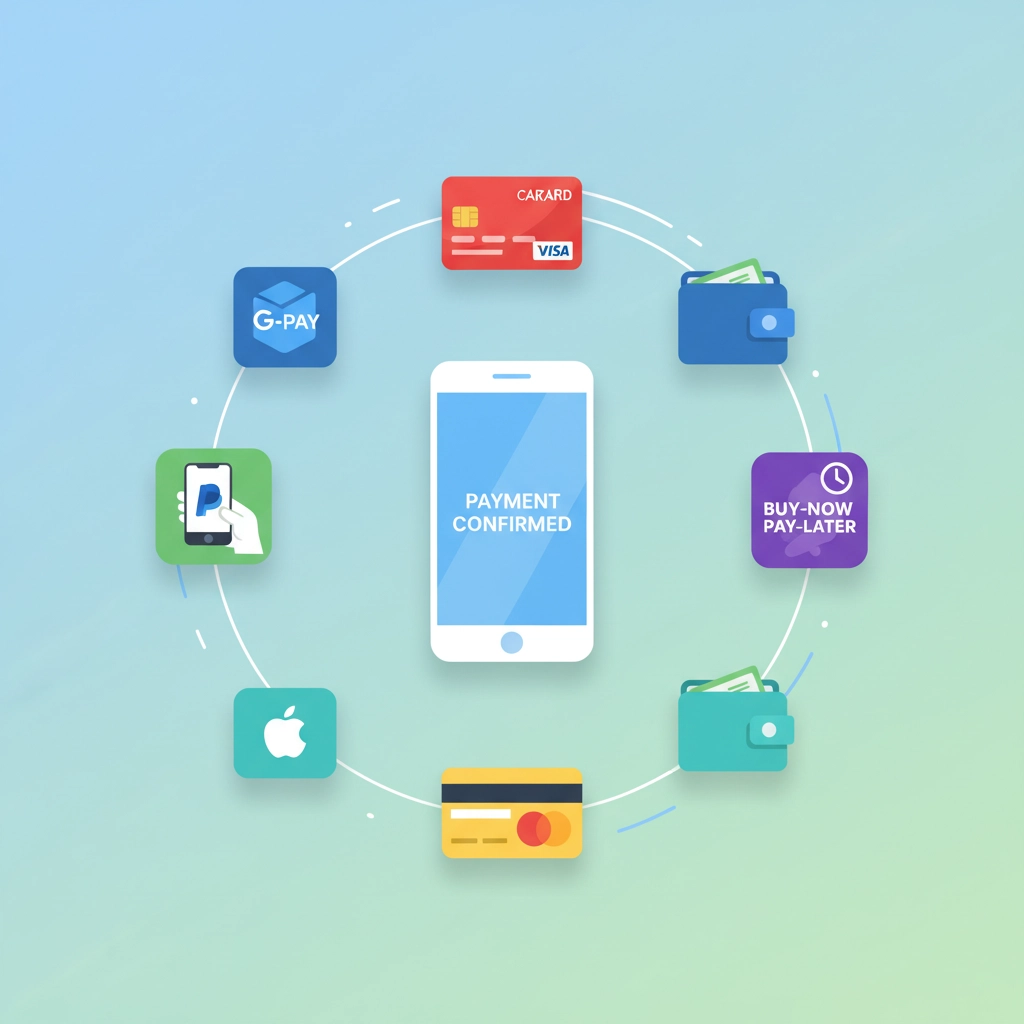
Today's consumers expect options when it comes to payment methods. Beyond traditional credit and debit cards, your payment gateway should support digital wallets like Apple Pay, Google Pay, and Samsung Pay, which are increasingly popular among Texas consumers.
Buy-now-pay-later options like Klarna and Afterpay have gained significant traction, especially among younger demographics prevalent in Austin's vibrant college town atmosphere. Bank transfers and ACH payments are also important for B2B transactions, which make up a significant portion of Dallas's business landscape.
The more payment options you offer, the less likely customers are to abandon their purchases due to their preferred payment method being unavailable. This is particularly important for Austin businesses competing in the competitive local market where customer experience often determines success.
6. Evaluate Integration Methods Based on Your Technical Capabilities
Payment gateway integration can happen through several methods, each with different technical requirements and benefits. API integrations offer the most customization but require significant technical expertise, making them ideal for Austin's tech companies that have in-house development teams.
The Direct Post Method (DPM) allows customers to stay on your website during checkout while sending payment data directly to the gateway. This approach reduces PCI compliance requirements while maintaining a seamless user experience – perfect for medium-sized Texas businesses that want professional functionality without extensive technical overhead.

For smaller businesses or those without technical staff, plugin-based integrations offer simplicity and ease of maintenance. Many popular e-commerce platforms used by San Antonio retailers offer these straightforward integration options.
7. Design Mobile-Optimized Payment Pages
With over 60% of online transactions now happening on mobile devices, your payment pages must work flawlessly across all screen sizes. This is particularly important in Texas, where mobile commerce adoption rates are above the national average.
Your payment interface should be intuitive, fast-loading, and secure. Clear instructions and visual cues help guide customers through the checkout process, reducing abandonment rates. Consider the user experience for customers making purchases while on-the-go, which is common for Austin's active, mobile-first population.
Responsive design isn't just about looking good on mobile – it's about maintaining functionality and security standards across all devices. Your payment pages should load quickly even on slower mobile connections, which can be an issue in some rural Texas areas.
8. Thoroughly Test Before Going Live
Testing is perhaps the most critical step that many businesses overlook in their eagerness to start processing payments. Use your payment gateway's sandbox environment to test every aspect of your payment system before processing real transactions.
Test each payment method you plan to offer, including edge cases like declined cards, expired cards, and partial refunds. Verify that your notification systems work correctly and that transaction data flows properly into your accounting systems.

This testing phase is particularly important for Austin businesses that might experience sudden traffic spikes during events like SXSW or when featured in local media. Your system needs to handle these scenarios gracefully without losing transactions or compromising customer data.
9. Train Your Team on the New Payment System
Your staff needs to understand how to use the new payment system, monitor its performance, and handle common issues. This is especially important for businesses with multiple locations across Texas, where consistent training ensures uniform customer experience.
Team members should know how to process refunds, handle chargebacks, and recognize potential fraud indicators. They should also understand your backup procedures in case the primary payment system experiences downtime.
Regular training updates keep your team current with new features and security best practices. This ongoing education is particularly valuable in Texas's competitive business environment where customer service excellence often determines long-term success.
10. Monitor Performance and Maintain Compliance Ongoing
Payment integration isn't a "set it and forget it" solution. Once your system is live, continuous monitoring helps identify issues before they impact customers or revenue. Track key metrics like transaction success rates, average processing times, and customer feedback about the checkout experience.
Regular system updates and security patches keep your payment integration current with evolving threats and industry standards. This ongoing maintenance is crucial for maintaining PCI compliance and customer trust.
Consider implementing automated alerts for unusual transaction patterns or system performance issues. These proactive measures help Austin businesses maintain the high service standards their customers expect.
Ready to Transform Your Payment Processing?
Implementing seamless online payment integration doesn't have to be overwhelming. With the right partner, Texas businesses can create secure payment solutions that delight customers and drive growth.
At Impeccabyte, we're building the next generation of merchant services specifically designed for growing businesses like yours. Our secure payment solutions combine cutting-edge technology with the personal service Texas businesses deserve.
We're currently accepting early signups for our revolutionary payment platform that will change how Austin, Dallas, and San Antonio businesses handle transactions. Join our waitlist today at Impeccabyte.com to be among the first to experience truly seamless payment integration built for Texas businesses.
Don't let payment processing hold back your business growth. The future of merchant services starts here, and it starts with businesses like yours.
