
If you're running a business in Austin and wondering whether you still need traditional merchant services, you're not alone. With all the buzz about fintech disruption, embedded payments, and digital wallets, it's natural to question whether the old-school payment processing model is headed for the graveyard.
Here's the short answer: Traditional merchant services aren't dead, but they're definitely getting a major makeover. And yes, you absolutely still need payment gateways, just not necessarily the clunky, expensive ones your grandfather used.
Let's dive into what's really happening in the payment processing world and why Austin businesses need to pay attention.
The Payment Gateway Reality Check
First, let's get something straight: payment gateways aren't going anywhere. In fact, they're more essential than ever. Every time someone buys something online from your Austin business, that transaction needs a payment gateway to securely process the card information. It's like the digital bouncer that checks IDs before letting payments through.
Card payments still dominate the game, making up about 77% of all non-cash transactions in the U.S. So unless you're planning to go back to cash-only (good luck with that in 2025), you need some form of payment processing infrastructure.
The real question isn't whether you need a payment gateway, it's what kind of payment gateway makes sense for your business today.

What's Actually Changing in Payment Processing
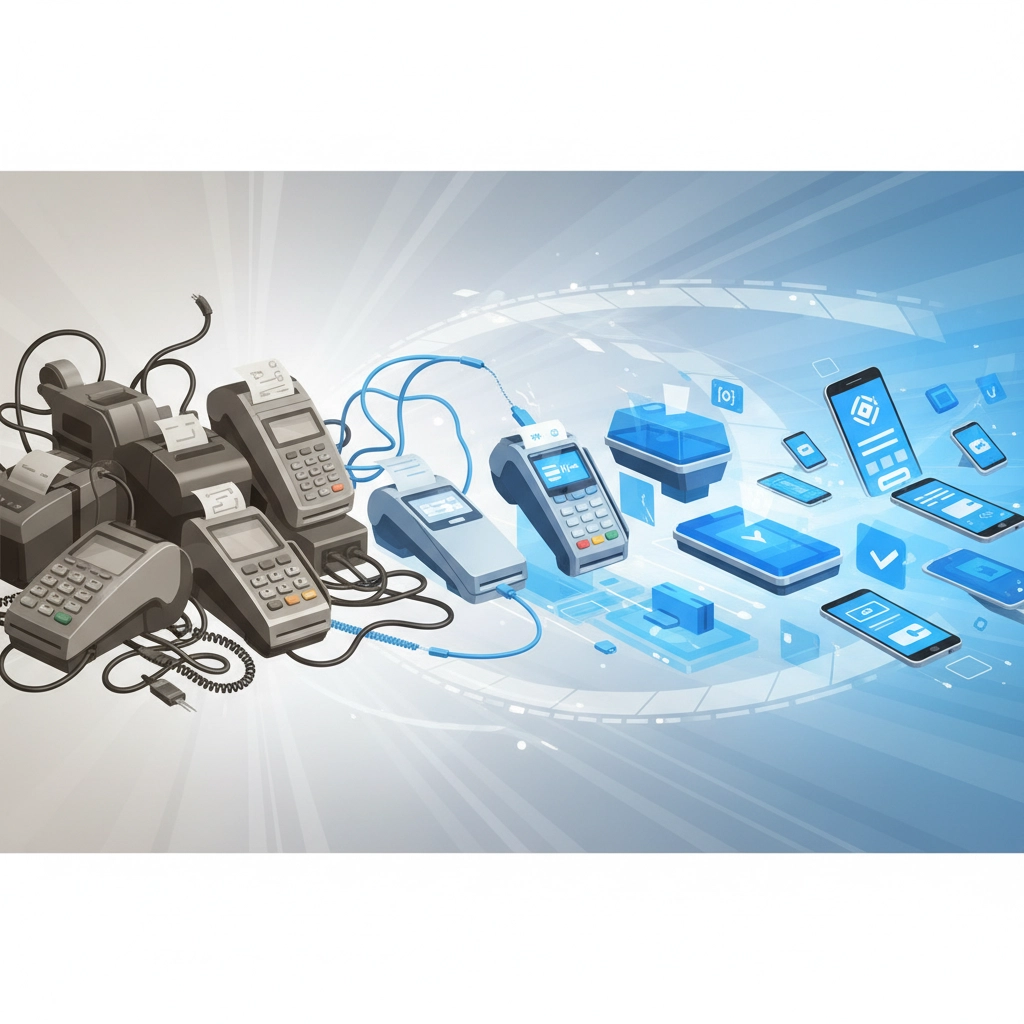
The merchant services industry is going through what I like to call a "glow-up." The traditional model, where you'd need separate relationships with a payment processor, gateway provider, and merchant account provider, is being replaced by sleek, all-in-one solutions.
Modern Payment Service Providers (PSPs) are bundling everything together, making setup faster and management way less of a headache. Instead of juggling multiple vendors and contracts, Austin businesses can now work with a single provider that handles everything from payment acceptance to fraud protection.
The Rise of Embedded Payments
Here's where things get really interesting. Embedded payments are becoming the new standard, especially for tech-savvy businesses in Austin's thriving startup scene. Instead of redirecting customers to third-party payment pages, businesses can now integrate payment processing directly into their apps and websites.
Think about ordering from your favorite Austin food truck through their app, the payment happens seamlessly within the experience, not through some janky external portal that makes you wonder if your credit card just got stolen.
Smarter Security Solutions
The security game has also leveled up significantly. Modern payment solutions now include:
- AI-powered fraud detection that learns from transaction patterns
- Blockchain security for enhanced data protection
- Biometric authentication that's actually user-friendly
- Real-time monitoring that catches suspicious activity instantly
This isn't your dad's payment processing, it's intelligent, adaptive, and designed for the way business actually works in 2025.
Why Austin Businesses Are Making the Switch
About 40% of small and mid-sized businesses are currently eyeing a shift from traditional bank-provided merchant services to fintech solutions. And honestly, Austin businesses are leading this charge.
Why? Because traditional merchant services often come with:
- Complex fee structures that are hard to understand
- Lengthy setup processes
- Limited integration options
- Customer service that makes you want to scream into the void
Meanwhile, modern payment solutions offer:
- Transparent pricing (no more hidden fees!)
- Quick setup and onboarding
- Easy integration with existing business tools
- Actually helpful customer support
Local Austin Examples
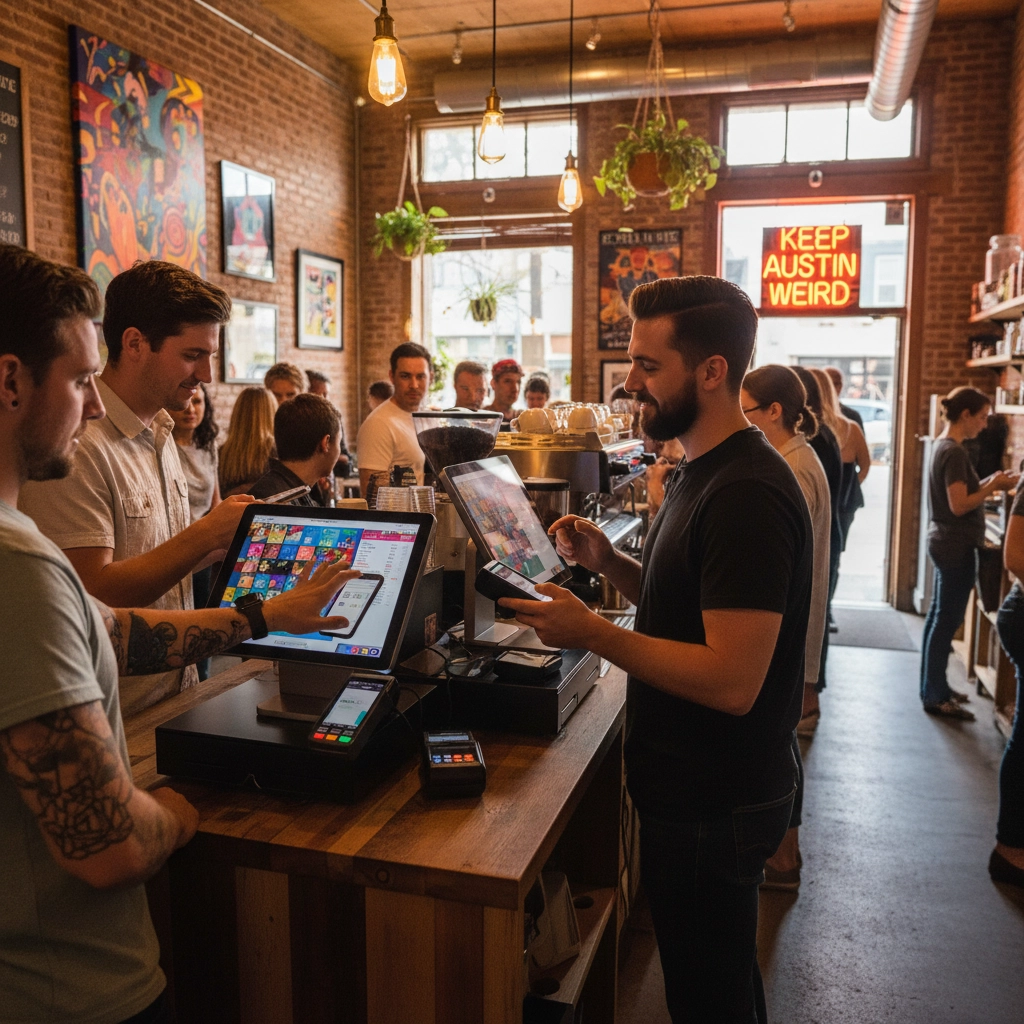
Take a typical South Austin coffee shop. In the old days, they'd need separate systems for in-store payments, online orders, and maybe a third system for their loyalty program. Now, they can use a unified payment platform that handles everything, from the morning rush transactions to late-night online orders from UT students.
Or consider an Austin-based SaaS company. Instead of using a clunky payment gateway that makes their subscription billing feel like a 1990s nightmare, they can embed payments directly into their platform, creating a seamless experience for customers from signup to renewal.
The Payment Method Explosion
Here's another reason traditional merchant services feel outdated: the explosion of payment methods. Cards and digital wallets now cover over 90% of consumer transactions, but customers expect options.
Modern Austin consumers want to pay with:
- Traditional credit and debit cards
- Apple Pay, Google Pay, and Samsung Pay
- Buy Now, Pay Later services like Afterpay
- Bank-to-bank transfers
- Cryptocurrency (yes, really)
- In-app payment options
If your payment system can't handle this variety, you're leaving money on the table. And in a competitive market like Austin, that's not a risk you can afford to take.
What About Costs?
One of the biggest changes in 2025 is the move toward more transparent and fair pricing models. Traditional merchant services were notorious for their confusing fee structures: you'd get hit with processing fees, gateway fees, monthly fees, statement fees, and fees for breathing too loudly near the card reader.
Modern payment solutions are embracing:
- No-fee processing models for certain transaction types
- Dual pricing that transparently shows different rates for cash vs. card payments
- Flat-rate pricing that's easy to understand and budget for
- Volume discounts that actually make sense for growing businesses
This shift means Austin businesses can finally understand what they're paying for and make informed decisions about their payment processing costs.

The Integration Game-Changer
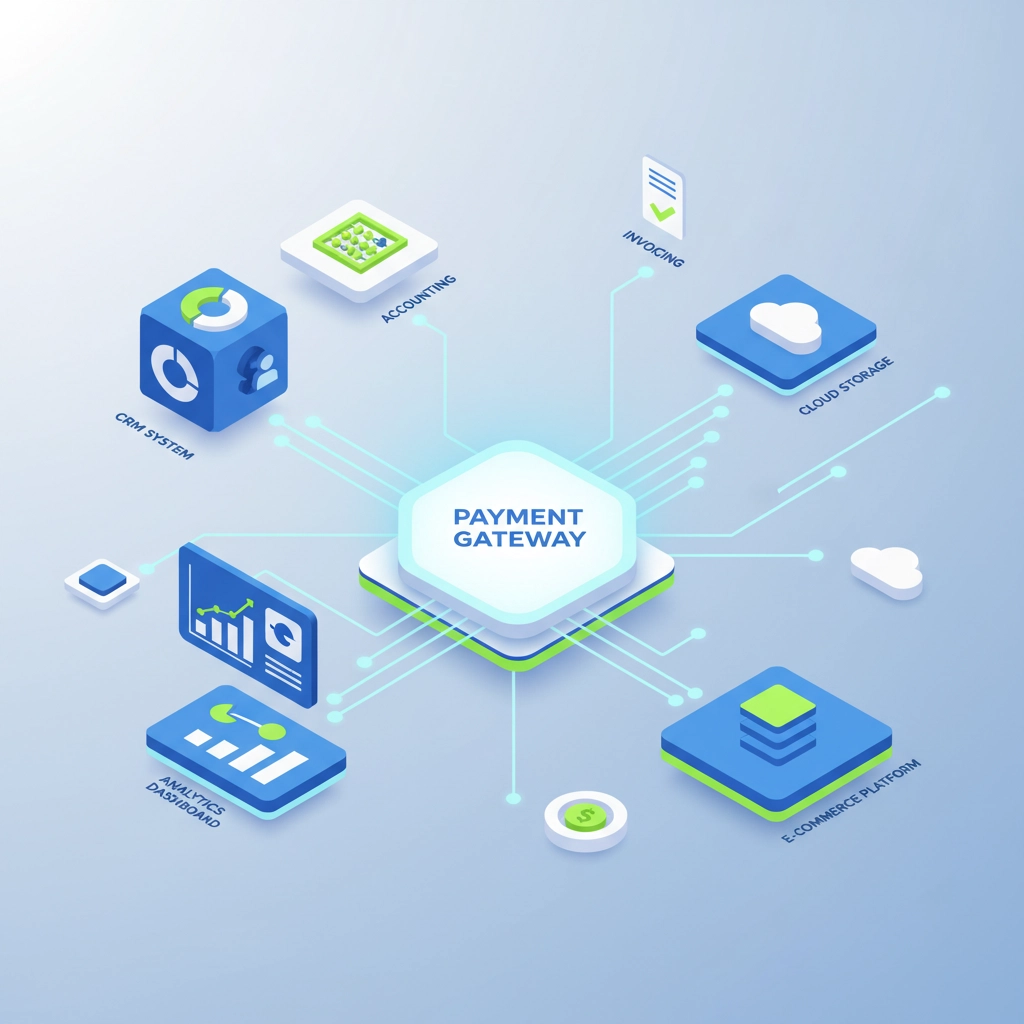
One area where traditional merchant services really show their age is integration. Modern businesses use dozens of different software tools: CRM systems, accounting software, inventory management, marketing automation, you name it.
Traditional payment systems often require manual data entry and complex workarounds to sync with your other business tools. Modern payment gateways and PSPs are built with integration in mind, offering:
- APIs that actually work
- Pre-built integrations with popular business software
- Real-time data synchronization
- Automated reporting and analytics
For Austin's tech-forward business community, this isn't just a nice-to-have: it's essential for staying competitive.
Looking Forward: What's Next?
The payment processing landscape will continue evolving, but the core need for secure, reliable payment acceptance isn't going anywhere. What's changing is how these services are delivered and what businesses can expect from their providers.
Successful Austin businesses in 2025 will choose payment partners that offer:
- Flexibility to adapt to new payment methods and technologies
- Transparency in pricing and terms
- Integration capabilities that work with their existing tech stack
- Local support that understands the Austin market
- Scalability to grow with their business
The Bottom Line for Austin Businesses
Traditional merchant services aren't dead: they're just evolving into something much better. You absolutely still need payment processing capabilities, but you have more options than ever for how to get them.
The key is choosing a solution that fits your business model, integrates with your existing systems, and provides the flexibility to adapt as payment technologies continue to advance.
If you're ready to leave behind the complexity and frustration of traditional merchant services, join the Impeccabyte waitlist for early access to our next-generation payment platform. We're specifically designed for forward-thinking Austin businesses that want secure, integrated payment solutions without the headaches of traditional providers.
Get early adoption rates and be among the first to experience what payment processing should actually feel like in 2025. Your business: and your customers( will thank you for making the switch.)
